

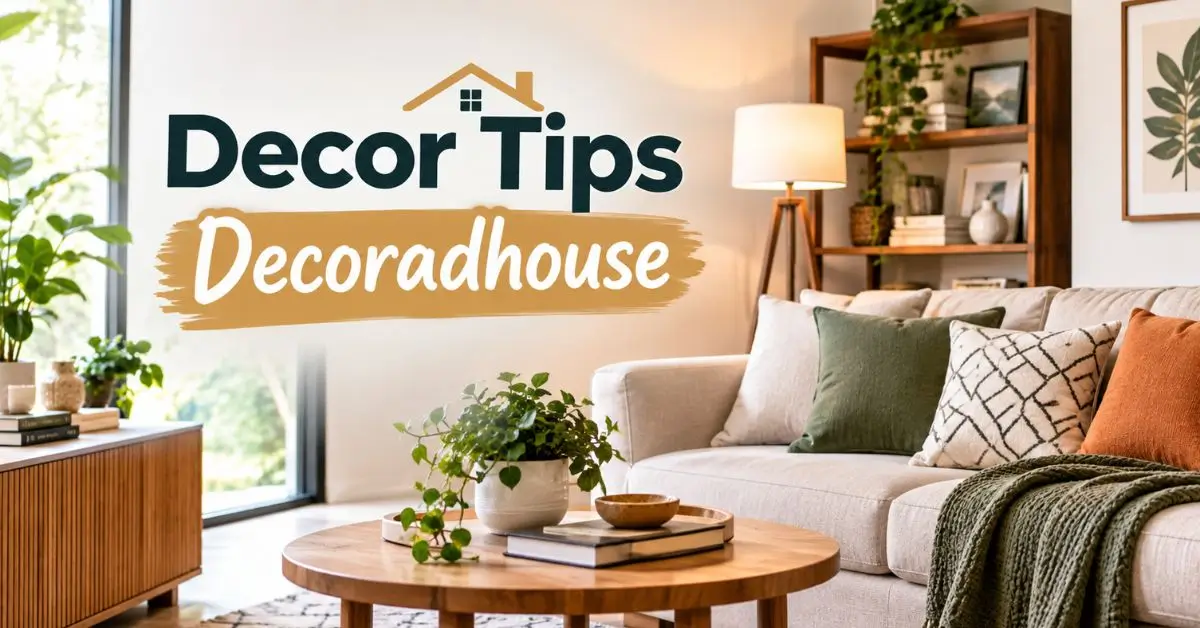
Decor Tips Decoradhouse: Practical Ways to Style a Beautiful Home
Walking into a home that feels warm, organized, and stylish immediately lifts your mood. Yet for many homeowners and renters, decorating a living space can feel confusing, stressful, and expensive.
You might buy a sofa you love in a store, only to find that it looks awkward in your living room. Or you might paint a wall a trendy color, only to realize it makes the room feel dark and small. When individual items do not work together, a home ends up feeling cluttered rather than comfortable.
Creating a stylish interior does not require hiring an expensive designer or spending thousands of dollars on luxury furniture. By learning practical decor tips decoradhouse concepts, you can transform any room into an inviting space you love. This guide explains simple styling rules, room-by-room upgrade ideas, budget-friendly decor projects, and common mistakes to avoid.
The concept of decor tips decoradhouse refers to practical home styling methods, interior decorating guidelines, and creative room refresh ideas designed to make living spaces look cohesive, inviting, and functional. These tips focus on balancing color schemes, layering textures, choosing proper lighting, and arranging furniture thoughtfully without requiring expensive full-scale renovations or professional interior designers.
Quick Summary
Great home decor comes down to simple principles. Use the 60-30-10 color rule, layer three levels of lighting in every room, choose rugs large enough to ground your furniture, mix different textures, and style surfaces in odd numbers. Focus on one room at a time to keep your decorating budget under control.
The Core Principles of Beautiful Interior Decorating
Professional interior decorators do not guess when they design a space. They follow reliable visual rules that make rooms feel balanced and comfortable. Once you understand these core principles, decorating any room becomes much easier.
1. The 60-30-10 Color Rule
A balanced color palette prevents a room from looking chaotic or boring. The 60-30-10 rule is the easiest way to balance colors in any space:
- 60 Percent (Dominant Color): This is the main background color of the room. It usually covers your walls, large area rugs, and primary sofa.
- 30 Percent (Secondary Color): This color supports the main shade. It appears in accent chairs, curtains, bedspreads, and smaller furniture pieces.
- 10 Percent (Accent Color): This is your bold splash of color. It appears in throw pillows, artwork, vases, lamps, and decorative accessories.
For example, a living room might use warm cream for 60 percent, soft beige and light wood for 30 percent, and deep olive green or navy blue for the 10 percent accent.
2. The Rule of Three in Surface Styling
When placing decorative items on a coffee table, shelf, or console table, items arranged in odd numbers (especially groups of three) look more natural to the human eye than even pairings.
To style a tabletop like a professional, combine three items with different heights and textures:
- Something tall (like a vase with fresh branches or a candlestick).
- Something wide and flat (like a decorative tray or a stack of two books).
- Something organic or textured (like a small potted plant, ceramic bowl, or sculpted stone object).
3. Layered Lighting for Warmth and Depth
A single overhead ceiling light creates harsh shadows and flattens the visual depth of a room. Interior designers always use three distinct layers of lighting:
- Ambient Light: General overhead lighting or recessed ceiling fixtures that provide overall visibility.
- Task Light: Focused light for specific activities, like a desk lamp, reading light by an armchair, or under-cabinet kitchen lights.
- Accent Light: Soft, warm light that highlights features, such as picture lights above artwork, wall sconces, or LED strips behind a TV console.
Using warm-white LED bulbs (2700K to 3000K) across all your lamps creates an instantly cozy and welcoming evening atmosphere.
Living Room Styling Blueprint
The living room is where families gather, relax, and entertain guests. Applying inspired decor tips decoradhouse advice here gives you the most noticeable everyday improvement.
Choose the Right Area Rug Size
The most common living room mistake is buying an area rug that is too small. A tiny rug under a coffee table makes the entire room feel chopped up and small.
As a general rule, your rug should be large enough that at least the front legs of all major seating pieces (sofa and accent chairs) sit on top of the rug. In an average living room, an 8×10 foot or 9×12 foot rug usually provides the perfect visual foundation.
Mix Textures on Your Sofa
If your sofa, pillows, and throw blankets are made from the exact same smooth fabric, your seating area will look flat and lifeless.
To create an inviting, designer-style sofa, combine at least three distinct textures:
- A smooth base fabric (like leather or flat-weave cotton).
- A chunky, tactile element (like a cable-knit blanket or boucle pillow).
- A textured natural material (like washed linen or velvet cushions).
Stick to your chosen color palette while varying the textures to create rich visual depth without visual clutter.
Anchor Your Wall Art at Eye Level
Many people hang artwork too high on the wall. Wall art should be centered at average eye level, which is roughly 57 to 60 inches from the floor to the center of the frame.
When hanging a picture above a sofa or console table, leave about 6 to 8 inches of breathing room between the bottom of the picture frame and the top of the furniture piece.
Kitchen and Dining Room Upgrades
Kitchens and dining areas are high-traffic work zones, but they should also feel warm and inviting.
Update Cabinet Pulls and Hardware
Replacing builder-grade chrome or wooden knobs with modern matte black, brushed brass, or oil-rubbed bronze handles is one of the fastest ways to modernize a kitchen. You only need a simple screwdriver and an hour of time.
Style Open Shelves with Functional Items
If you have open shelving or floating wall ledges, avoid packing them with useless knick-knacks that collect dust.
Instead, display beautiful everyday essentials that you actually use:
- Stacks of matching white ceramic plates and bowls.
- Clear glass storage jars filled with dry grains, coffee beans, or pasta.
- A small wooden cutting board leaning against the back wall.
- A trailing potted plant, like a pothos, to add fresh green color.
Choose the Right Dining Table Centerpiece
Keep dining table centerpieces low so dinner guests can easily see and talk to each other across the table. A long, shallow wooden dough bowl filled with moss balls or a low ceramic vase with seasonal greenery creates an elegant look without blocking sightlines.
Realistic US Example: A $320 Weekend Living Room Transformation
Consider a homeowner in Raleigh, North Carolina living in a 1,600-square-foot suburban home. The main living room felt outdated, with stark white walls, a bare overhead ceiling fan light, and mismatched furniture.
By putting the practical decor tips decoradhouse strategies into action, the homeowner completed three focused upgrades over two days:
- Painted a focal wall behind the sofa in a warm, muted sage green ($50 for one gallon of paint and rollers).
- Replaced an undersized 5×7 rug with a neutral 8×10 textured jute-blend rug ($160).
- Added two warm-brass table lamps with 2700K soft-white LED bulbs and swapped four old pillow covers for textured linen covers ($110).
The Result:
For a total expenditure of $320, the living room went from feeling cold and disjointed to looking cohesive, warm, and thoughtfully styled. The project was finished in a single weekend without hiring professional contractors.
Decorating Upgrades Compared: Budget, Effort, and Impact
To help you plan where to invest your time and money, here is a practical comparison of popular home decorating projects.
| Decorating Project | Average Cost Range | Time Required | Difficulty Level | Visual Impact Level |
|---|---|---|---|---|
| Accent Wall Painting | $40 to $80 | 3 to 5 hours | Beginner | High |
| Replacing Cabinet Hardware | $30 to $90 | 1 to 2 hours | Very Easy | High |
| Upgrading Area Rug Size | $120 to $280 | 30 minutes | Very Easy | Very High |
| Layering Table & Floor Lamps | $50 to $120 | 1 hour | Very Easy | High |
| Styling a Gallery Wall | $40 to $100 | 2 to 3 hours | Intermediate | Medium to High |
| Hanging High Curtain Rods | $40 to $85 | 1 to 2 hours | Beginner | High |
| Peel-and-Stick Backsplash | $50 to $140 | 3 to 4 hours | Beginner | High |
Bedroom Decor Ideas for Rest and Comfort
Your bedroom should serve as a peaceful retreat from the busy outside world. Keep the decor simple, uncluttered, and centered around comfort.
1. Build a Hotel-Style Bed
Making your bed look plush and welcoming does not require dozens of complicated pillows. Follow this simple layering formula:
- Fitted and Flat Sheet: Clean, breathable cotton or linen in crisp white or soft neutral tones.
- Main Duvet or Comforter: A fluffy insert inside a textured duvet cover folded neatly at the head of the bed.
- Folded Quilt or Throw: A contrasting quilt or waffle blanket folded across the bottom third of the bed for texture.
- Pillow Arrangement: Two sleeping pillows laid flat, topped with two upright matching sham pillows, and one long lumbar accent pillow in the center.
2. Hang Curtains High and Wide
A simple designer trick to make your bedroom windows look larger and your ceilings look taller is hanging your curtain rods close to the ceiling.
Mount your curtain rod 4 to 6 inches above the window frame (or just below the ceiling molding). Extend the rod 6 to 10 inches wider than the window on each side. When the curtains are open, the fabric frames the window without blocking natural daylight, making the room feel spacious and bright.
3. Declutter Nightstands
Keep your bedside tables calm and functional. Store charging cables, hand lotions, and reading glasses inside nightstand drawers. On top, keep only a warm reading lamp, a favorite book, and a small decorative catchall dish.
Bathroom and Entryway Styling Secrets
Smaller spaces like bathrooms and entryways are often neglected, but because of their compact size, small decor updates create an immediate transformation.
Create a Functional Entryway Drop Zone
Your front entrance creates the first impression for guests and sets the tone when you arrive home. Make this area organized and welcoming:
- Wall Hooks: Mount sturdy metal or wooden hooks for coats, hats, and dog leashes.
- A Shoe Bench: Place a small wooden bench with basket storage underneath to keep shoes off the floor.
- A Wall Mirror: Hang a round or arched mirror above a narrow console table to reflect light and allow for quick checks before heading out the door.
Give Your Bathroom a Spa Refresh
Bathrooms often suffer from cold tile and sterile surfaces. Adding warm, organic elements softens the space instantly:
- Roll Your Towels: Place clean, matching white bath towels rolled up neatly inside a woven wicker basket.
- Add a Wooden Bath Mat or Stool: A teak shower stool or bamboo bath mat introduces warm wood tones against ceramic tile.
- Bring in Humidity-Loving Houseplants: Pothos, snake plants, and Boston ferns thrive in bathroom humidity and add natural greenery.
Common Decorating Mistakes and How to Avoid Them
When exploring different decor tips decoradhouse ideas, learning what not to do saves you time, frustration, and money.
Mistake 1: Pushing All Furniture Against the Walls
Many people believe pushing all chairs and sofas flat against the walls makes a room feel bigger. In reality, pulling furniture a few inches away from walls (called floating your furniture) creates conversational groupings and makes the room feel intentional and cozy.
Mistake 2: Buying Complete Matching Furniture Sets
Buying an entire matching bedroom or living room set directly from a showroom catalog makes your home look like a furniture store rather than a personal home. Instead, mix different wood tones, metal finishes, and upholstered pieces over time to give your home authentic character.
Mistake 3: Ignoring Scale and Proportion
A massive sectional sofa will overwhelm a compact apartment living room, while a tiny coffee table will look lost in a large open-concept layout. Always measure your floor space and tape out furniture dimensions on the floor with blue painter’s tape before purchasing major pieces.
Mistake 4: Over-Decorating Every Surface
Every flat surface in your home does not need a decorative knick-knack. Leaving some empty space (known in design as negative space) gives the eyes a place to rest and allows your favorite statement pieces to stand out.
Step-by-Step Room Styling Plan
If you want to update a room in your house, follow this four-step implementation plan to get great results without feeling overwhelmed.
Step 1: Clear the Room and Declutter
Remove everything from tabletops, shelves, and mantelpieces. Donate, sell, or store items you do not genuinely love or use. Starting with clean surfaces makes it easier to see what the room actually needs.
Step 2: Establish Your Focal Point
Identify the main focal point of the room, such as a fireplace, a large window with a view, or a TV entertainment center. Arrange your primary seating pieces to face and complement this focal point.
Step 3: Define Your Color Palette
Choose your 60 percent dominant color, 30 percent secondary shade, and 10 percent accent tone. Make sure any new pillows, rugs, or curtains fit within this cohesive color family.
Step 4: Add Lighting and Layered Accents
Place floor and table lamps in dark corners, lay down an appropriately sized area rug, hang artwork at eye level, and style surfaces using the rule of three.
By practicing these reliable decor tips decoradhouse methods, you can systematically transform each room in your home into a welcoming, stylish retreat.
Conclusion
Styling a comfortable and beautiful home is a rewarding journey that takes time, patience, and a little creativity. You do not need to follow every passing design fad or spend a fortune on luxury showroom furniture to create a home you love.
By applying the straightforward principles found in decor tips decoradhouse resources, you can take control of your living spaces. Focus on good lighting, balance your colors, choose the right furniture scale, and add personal touches that reflect your family lifestyle.
Start with one small project this weekend. Style a bookshelf, hang a piece of art at eye level, or swap out a couple of lamp bulbs. Small, thoughtful updates add up quickly, turning your house into a warm, stylish sanctuary you will enjoy every single day.
If you found this interior decorating guide helpful, explore our detailed tutorial on how to choose cohesive paint colors for every room, and check out our practical guide on budget-friendly DIY home organization hacks.
Frequently Asked Questions
What are the essential decor tips decoradhouse beginners should follow?
Start with the 60-30-10 color rule, warm 2700K lighting, and a rug large enough to anchor the main furniture. These basics create a balanced, cohesive room.
How can I make my home look expensive on a budget?
Hang curtain rods near the ceiling, remove surface clutter, use large framed artwork, and replace basic cabinet handles with modern brass or matte-black pulls.
How can I make a small room feel larger?
Use large mirrors to reflect light, light neutral walls, vertical shelving, and furniture with visible floor space. Keep windows open to natural light and avoid heavy dark curtains.
How do I choose the right rug size for my living room?
Choose a rug large enough for at least the front legs of the sofa and chairs to sit on it. For most living rooms, 8×10 or 9×12 feet works well.
How can I mix different wood tones without clashing?
Choose one dominant wood tone and keep the undertones consistent. Repeat secondary wood finishes at least twice, such as in a side table and picture frame, to create a coordinated look.
[…] designers approach outdoor spaces the same way they design indoor living rooms. When an outdoor space has clear boundaries, balanced proportions, and comfortable seating, it […]